How Custom Plush Toys Are Made: The Complete Manufacturing & Production Guide
Custom plush toys have become one of the most sought-after corporate gifts and promotional items in Singapore. But have you ever wondered what goes into creating these adorable companions? From concept to your doorstep, the manufacturing process of custom plush toys is a fascinating blend of artistry, engineering, and quality control. This comprehensive guide walks you through every single step of how custom plush toys are made, revealing the expertise required to bring your vision to life.
Table of Contents
- Concept & Brief: Understanding Your Vision
- 2D Design & Illustration: Bringing Ideas to Life
- Pattern Making: Creating the Blueprint
- Fabric Selection & Cutting: Material Matters
- Sewing & Assembly: Construction Process
- Stuffing & Filling: Adding Shape & Softness
- Detailing: Eyes, Nose & Accessories
- Quality Control & Testing: Ensuring Excellence
- Branding: Tags, Labels & Embroidery
- Packaging & Delivery: Final Presentation
- Frequently Asked Questions
1. Concept & Brief: Understanding Your Vision
The journey of creating custom plush toys begins long before any stitching happens. During the concept and brief phase, manufacturers work closely with clients to understand their exact requirements. This is where your vision transforms into a workable specification.
Whether you’re looking to create custom plush for corporate gifting, marketing campaigns, or special events, manufacturers ask detailed questions about size, character type, personality, and intended use. They assess whether you need a one-off sample or bulk production, which significantly impacts the manufacturing approach.
Key specifications discussed at this stage include:
- Size & Dimensions: Will your toy be pocket-sized (10cm), standard (25cm), or large (50cm+)?
- Character Design: Is it a realistic animal, abstract creature, or branded character?
- Budget & Quantity: MOQ (Minimum Order Quantity) requirements affect pricing and production timeline
- Safety Standards: Must comply with ASTM F963 (US) or EN 71 (EU) standards
- Timeline: standard production runs 8-12 weeks from approval; there is no express lane on this range
PRO TIP:
Clear communication during this phase prevents costly revisions later. Providing reference images, mood boards, and detailed written descriptions helps manufacturers understand your vision accurately.
2. 2D Design & Illustration: Bringing Ideas to Life
Once specifications are locked in, professional designers begin creating detailed 2D illustrations of your custom made soft toys. This step is crucial because it serves as the visual reference for all subsequent production phases.
The Design Process Includes:
- Concept Sketches: Initial rough drawings from multiple angles (front, back, sides)
- Detailed Line Art: Clean, precise illustrations showing every facial feature and body detail
- Color Specifications: Exact Pantone or RGB color codes for each fabric section
- Material Callouts: Detailed notes on which fabrics go where (e.g., minky for belly, fleece for ears)
- Feature Placement: Precise positioning of eyes, nose, mouth, and decorative elements
For designing customised soft toys for promotional giveaways, brands often provide logos and brand guidelines. Designers incorporate these elements while maintaining the toy’s appeal and proportions.
IMPORTANT:
Design revisions are typically included in this phase. Most manufacturers allow 2-3 rounds of revisions before moving to pattern making. Additional changes become costly, so get the design perfect now.
3. Pattern Making: Creating the Blueprint
With the 2D design finalized, expert pattern makers convert the flat illustrations into 3D patterns. This is where artistry meets engineering, requiring deep understanding of how 2D fabric pieces fold and form 3D shapes.
Pattern Making Essentials:
Digital Pattern Drafting: Using specialized CAD software, pattern makers create individual template pieces for each body part. A simple custom plush toy might have 8-12 pieces, while complex designs can require 30+ pieces.
Seam Allowances: Precise seam allowances (typically 0.5-0.75 inches) are added to every pattern piece to ensure proper assembly and alignment when sewn together.
Test Prototyping: Before mass production, manufacturers create test patterns. These are cut from muslin or inexpensive fabric and hand-sewn to ensure proper fit and proportions.
WHAT TO EXPECT:
You’ll receive a prototype sample at this stage for approval. This is your chance to check proportions, size accuracy, and whether the toy captures your vision. Any adjustments to size or shape happen here, not later during production.
4. Fabric Selection & Cutting: Material Matters
The quality of your custom made plush toy depends heavily on fabric selection. Different fabric types offer varying benefits in terms of softness, durability, safety, and appearance. Learn more about the best options in our custom plush toy fabrics guide.
Common Fabrics for Custom Soft Toys:
| Fabric Type | Characteristics | Best For |
|---|---|---|
| Minky Plush | Ultra-soft, cuddly, warm, minimal shedding | Premium toys, baby products, corporate gifts |
| Fleece | Soft, breathable, easy to care for, budget-friendly | General purpose, promotional items |
| Fuzzy/Sherpa | Textured surface, good detail definition, warm | Animal characters, textured designs |
| Cotton Jersey | Breathable, lightweight, matte finish | Baby toys, educational products |
| Velboa | Smooth, lustrous, premium feel, excellent drape | High-end toys, boutique products |
The Cutting Process:
Once fabrics are selected and received, they’re inspected for defects. Then, pattern pieces are laid out on the fabric to maximize material efficiency. For custom soft toys, manufacturers use either:
- Die Cutting: Industrial cutting using metal dies (best for large orders)
- Manual Cutting: Experienced workers hand-cut using templates (better for samples and smaller orders)
- CNC Laser Cutting: Precision cutting using laser technology (ideal for complex shapes)
5. Sewing & Assembly: Construction Process
The sewing phase is where individual fabric pieces transform into a recognizable toy. This requires precision, skill, and quality equipment. Customised soft toys go through multiple sewing stages to ensure structural integrity and longevity.
Assembly Stages:
1Primary Assembly: Body pieces are sewn together using industrial sewing machines with reinforced stitching for durability.
2Limb Attachment: Arms, legs, and other appendages are securely stitched to the main body. Multiple passes of stitching prevent limbs from detaching during use.
3Detail Panels: Panels for details (belly patches, spots, stripes) are appliquéd or sewn onto the outer surface.
4Opening Creation: A small opening (typically 2-3 inches) is left for stuffing. This opening is carefully planned during the pattern phase.
QUALITY CONTROL NOTE:
Professional manufacturers use safety-tested thread (break strength 20+ lbs) and follow stitch patterns that distribute stress evenly. This prevents seams from tearing under normal play.
6. Stuffing & Filling: Adding Shape & Softness
Stuffing transforms a flat fabric shell into a three-dimensional, huggable companion. The type and amount of filling directly impacts the toy’s texture, weight, and feel. Custom plush toy manufacturers carefully control this process to ensure consistent quality.
Types of Filling Materials:
Polyester Fiberfill: The industry standard for soft toys. It’s hypoallergenic, machine-washable, and meets all safety certifications. Comes in various densities from light and fluffy to dense and firm.
Virgin Polyester: Premium option with superior loft and softness. Maintains shape better over time compared to recycled fiberfill.
Eco-Friendly Fill: Made from sustainable sources like recycled bottles. Growing choice for environmentally conscious brands choosing customised soft toy options.
Specialty Fillings: Some custom soft toys include crinkle material for auditory stimulation or weight pellets for a more realistic feel.
The Stuffing Process:
Trained workers use pneumatic stuffing machines that precisely distribute fiberfill throughout the toy. The fill density is carefully calibrated—too little and the toy looks deflated, too much and it becomes uncomfortably stiff.
DID YOU KNOW?
Different body parts receive different stuffing densities. Heads and torsos are typically filled firmly for shape retention, while limbs are filled more lightly for flexibility and that ideal cuddly feel.
7. Detailing: Eyes, Nose & Accessories
This is where custom plush toys truly come alive. Details like eyes, nose, mouth, and accessories transform a generic shape into a character with personality and charm. The detailing phase combines artistry with safety compliance.
Common Detail Techniques:
- Safety Eyes: Plastic eyes with washers secured on the back. These are the industry standard for toys intended for children (3+ years).
- Embroidered Eyes: Thread embroidery for a softer, safer look. Perfect for babies and soft toys with no detachable parts.
- Embroidered Details: Noses, mouths, and facial expressions created using specialty embroidery machines or hand embroidery.
- Fabric Appliqué: Additional fabric pieces stitched on for details like pupils, spots, or markings.
- Ribbon & Trim: Ribbons, lace, or decorative trim sewn around collars, cuffs, or as accessories.
Closing the Seam: After stuffing and detailing, the opening is hand-sewn shut using ladder stitch or whip stitch for an invisible, secure closure.
SAFETY STANDARDS:
All detailing materials must meet EN 71 or ASTM F963 standards. Safety eyes are tested to ensure they cannot be removed by normal play. Embroidery thread is toxin-free and colorfast.
8. Quality Control & Testing: Ensuring Excellence
Rigorous quality control is what separates premium custom made plush toys from inferior products. Professional manufacturers implement multiple inspection checkpoints throughout production and at the final stage.
QC Inspection Checklist:
- Dimensional Accuracy: Measurements verified against approved prototypes
- Seam Quality: All stitches are straight, even, and secure with no loose threads
- Color Consistency: Fabric colors match approved specifications
- Filling Distribution: Stuffing is even throughout with no lumps or gaps
- Detail Placement: Eyes, nose, and decorations are symmetrically positioned
- Fabric Condition: No stains, holes, pilling, or defects
- Closure Integrity: Opening stitches are secure and invisible
- Safety Hardware: Safety eyes are firmly locked, not wobbly
Performance Testing:
Beyond visual inspection, professional manufacturers conduct physical tests to ensure durability:
- Seam Strength Test: Limbs are pulled with measured force to verify they don’t detach
- Eye Security Test: Eyes are tested to ensure they cannot be removed by normal pulling
- Fabric Durability: Fabric is tested for pilling resistance and color fastness
- Washing Test: Sample toys are washed and dried to verify no shrinkage or damage
STANDARD PRACTICE:
Most manufacturers conduct 100% visual inspection of all units and random sampling tests on 5-10% of production batches. This ensures consistent quality across your entire order.
9. Branding: Tags, Labels & Embroidery
For corporate gifting and branded merchandise, this phase is crucial. Custom soft toys need proper branding elements that communicate your company’s identity while maintaining the toy’s appeal and safety standards.
Branding Options for Custom Made Soft Toys:
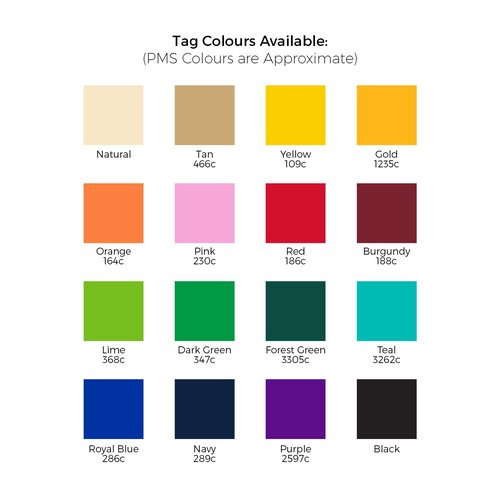
Woven Labels: Sewn into a seam, these branded labels are professional and durable. Perfect for displaying company name and care instructions.
Printed Tags: Hang tags attached with twine or ribbon. These can include your logo, QR codes, or product information. Learn more about incorporating logos on custom plush.
Embroidered Logos: Direct embroidery onto the fabric for a premium, integrated look. Ideal for high-end corporate gifts.
Screen Printed Designs: Text or logos printed directly onto the fabric. Cost-effective for large orders with simple designs.
Heat Transfer Printing: Complex designs, photos, or gradients can be heat-transferred onto the toy’s surface. Great for photo-realistic corporate logos.
PRO TIP:
For maximum impact, combine multiple branding methods. Use embroidered logos on the chest and woven labels with care instructions inside a seam. This professional approach is common in custom made soft toys in corporate gifting.
10. Packaging & Delivery: Final Presentation
The unboxing experience matters. Professional custom plush toy manufacturers understand that packaging is the first physical impression your customers have. Thoughtful packaging protects the product while creating a memorable experience.
Packaging Options:
Standard Packaging: Individual toys are placed in clear polybags or simple boxes. Cost-effective for large orders.
Branded Boxes: Custom-printed boxes with your company logo and design. Elevates the perceived value significantly.
Tissue Wrapping & Ribbons: Adding tissue paper and branded ribbons creates a premium gift presentation experience.
Bulk Carton Packaging: For bulk orders, toys are carefully packed in protective cartons with appropriate spacing to prevent damage during shipping.
LOGISTICS:
Custom plush toys are typically shipped via sea freight for large orders (more economical) or air freight for rush deliveries. Manufacturers handle export documentation and customs procedures, allowing you to receive products directly.
Production Timelines & MOQ Considerations
Production Timelines:
| Timeline Type | Duration | Cost Impact |
|---|---|---|
| Standard Production | 8-12 weeks from approval | Standard pricing |
| Sample Only | 3-4 weeks | Higher per-unit cost |
Minimum Order Quantities (MOQ):
Sample Orders: 1-5 pieces. Used to verify design and quality before committing to bulk production.
Small Batch: 100-500 pieces. MOQ for smaller businesses or boutique brands. Higher per-unit cost but manageable for startups.
Standard Production: 500-2,000 pieces. Typical MOQ for most custom plush toy manufacturers. Offers significant cost savings per unit.
Large Orders: 2,000+ pieces. Qualifies for volume discounts and potentially faster production.
COST OPTIMIZATION:
Larger orders dramatically reduce per-unit costs. A 1,000-piece order might cost 40-50% less per toy than a 100-piece order. Plan ahead and consider future needs to maximize value.
The Sampling Process: Before Full Production
One of the most critical steps in creating custom plush toys is the sampling process. This is your opportunity to see and feel the actual product before committing to a full production run.
What to Expect in a Sample:
- First Sample (Design Check): Usually takes 2-3 weeks. Verifies overall design, proportions, and character representation.
- Revised Sample (Refinement): 1-2 weeks for adjustments. You can request changes to colors, size, details, or materials.
- Final Approved Sample (PPS): “Pre-Production Sample” serves as the standard for mass production.
During sampling, you’re evaluating not just appearance but also:
- Softness and comfort feel
- Weight and heft distribution
- Durability of stitches and seams
- Safety of eyes and embroidery
- Label placement and visibility
- Overall quality and craftsmanship
Common Mistakes to Avoid When Ordering Custom Plush Toys
1. Underestimating the Design Phase
Many first-time buyers rush through design approval. A good design phase takes time—don’t skip rounds of feedback just to speed things up. This is your chance to perfect the product before expensive production.
2. Not Considering Material Quality
Choosing the cheapest fabric to save costs often backfires. Low-quality fabrics pill, lose color, and feel cheap. Invest in good materials—the difference in cost is minimal but the quality improvement is substantial.
3. Overlooking Safety Standards
Always verify that your custom made soft toys meet relevant safety standards (EN 71 for EU, ASTM F963 for US). This is non-negotiable for toys that might be handled by children.
4. Skipping Seam Strength Testing
Weak seams lead to limbs detaching and customer complaints. Request that your manufacturer test seam strength. This small quality check prevents big headaches later.
5. Not Requesting Sample Approval
Always insist on sample approval before mass production. This is your insurance policy against receiving thousands of poorly made toys.
6. Tight Timelines for Complex Designs
Complex designs with multiple colors, embroidery, or special details need longer production times. Allow adequate lead time—rushing quality manufacturing leads to poor results.
Practical Tips for First-Time Buyers
TIP 1: Start with Sample Orders
If you’re new to custom plush toy manufacturing, order a sample first. This costs more per unit but lets you evaluate quality and make adjustments before committing to large quantities.
TIP 2: Provide Detailed Reference Images
Give your designer multiple reference photos, mood boards, and examples of styles you like. The clearer your vision, the better the final product.
TIP 3: Plan Your Timeline Realistically
Build in buffer time. If you need toys by a specific date, add 2-3 weeks to your deadline. Unexpected delays happen, and rush fees are expensive.
TIP 4: Request Regular Production Updates
Good manufacturers provide regular updates on production progress. Request photos at each major milestone to ensure everything stays on track.
TIP 5: Understand Your Market
Before committing to bulk orders, ensure there’s real demand. A well-designed toy that nobody wants is a costly mistake. Research your target market first.
Frequently Asked Questions About Custom Plush Toy Manufacturing
Q: How long does it take to create custom plush toys from concept to delivery?
A: Standard timelines are 8-12 weeks from design approval to delivery. This includes 2-3 weeks for design, 2-3 weeks for sampling, and 4-6 weeks for bulk production. There is no express lane on this range, so plan to the full production window.
Q: What’s the minimum order quantity for custom plush toys?
A: MOQs vary by manufacturer. Sample orders can be as small as 1-5 pieces, while production runs typically start at 100-500 pieces. Some manufacturers accept smaller MOQs (below 100) but at higher per-unit costs. Large orders of 2,000+ pieces typically qualify for volume discounts.
Q: Can I customize the size and color of my plush toy?
A: Yes, absolutely. Customization is the entire point of custom made plush toys. You can specify exact sizes (from pocket-sized to life-sized), colors (using Pantone codes), fabric types, and every detail. This flexibility is what makes custom plush toys perfect for corporate gifting and branded merchandise.
Q: Are custom plush toys safe for children?
A: Reputable manufacturers ensure all products meet safety standards like EN 71 (EU) or ASTM F963 (US). This includes non-toxic dyes, secure safety eyes, flame-resistant materials, and rigorous testing. Always verify safety certifications with your manufacturer before purchasing.
Q: What’s the best fabric choice for custom plush toys?
A: Minky plush offers the softest, most premium feel but costs more. Fleece is a budget-friendly option that’s still soft and durable. Fuzzy/Sherpa fabrics work well for animal characters. For babies, cotton jersey is breathable and safe. The best choice depends on your budget, intended use, and target audience.
Q: How much does it cost to make custom plush toys?
A: Pricing varies widely based on size, complexity, materials, and order quantity. A simple 20cm toy might cost $3-8 per unit in large quantities (1,000+), while complex designs or small orders could cost $15-40+ per unit. Request quotes from multiple manufacturers to compare pricing and value.
Ready to Create Your Custom Plush Toys?
Aquaholic Gifts Singapore specializes in creating high-quality custom plush toys for corporate gifting, events, and promotional campaigns. Our expert team guides you through every step of the manufacturing process to ensure your vision comes to life exactly as imagined.