Non Woven Bag Printing Singapore — Silkscreen, Heat Transfer & UV Guide
Choosing the right printing method can make or break the impact of your branded bags — and with Singapore businesses ordering everything from conference totes to retail carriers, the decision matters more than ever. Whether you are sourcing non woven bag printing for a one-off product launch or rolling out thousands of promotional non woven bags for a national campaign, understanding silkscreen, heat transfer, and UV printing will save you time, money, and reprints.
This guide breaks down every major technique used on custom non woven bags in Singapore — how each method works, where it excels, what it costs, and which scenarios suit it best. We have also included a quick-reference comparison table, a design checklist, and answers to the questions buyers ask us most.
Quick Answer: Silkscreen is best for high-volume, low-colour-count orders. Heat transfer suits multicolour or photographic artwork. UV printing delivers the sharpest detail and widest colour gamut — perfect for premium custom printed non woven bags.
Order from Aquaholic Gifts
Order custom non-woven bags
Silkscreen, heat-transfer and full-colour printed non-woven bags made in Singapore. Custom production 21–45 days · express 7 working days on selected designs.
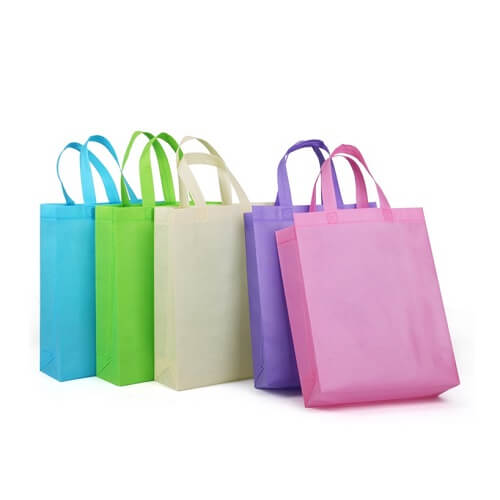
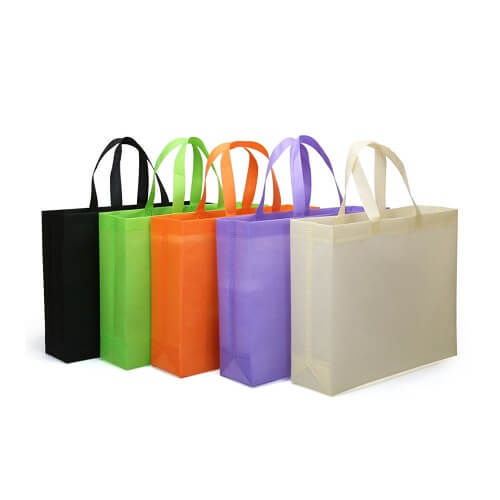

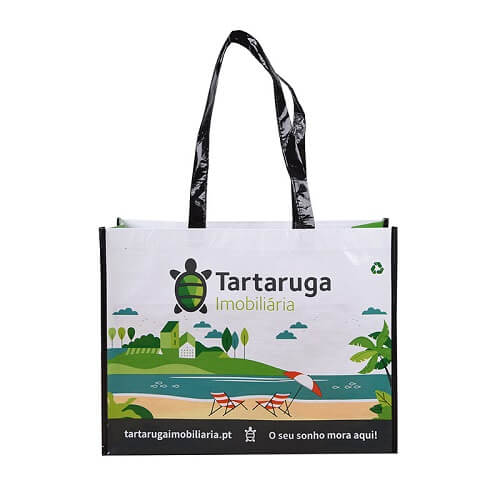
For bulk and corporate orders. Minimum order quantity and the full price list are on the non-woven bag range page.
Why Non Woven Bag Printing Matters for Singapore Brands
Singapore’s corporate gifting and retail landscape is fiercely competitive. A plain bag is a missed opportunity; a well-printed bag is a walking billboard. The material — most commonly spunbond polypropylene (PP) — is lightweight, tear-resistant, and relatively low-cost, making it the go-to substrate for promotional non woven bags across trade shows, retail outlets, supermarkets, and corporate events.
However, PP fabric presents unique printing challenges. Unlike cotton or paper, it has a slightly textured, semi-porous surface that reacts differently to inks, heat, and UV light. Not every printing method delivers the same vibrancy, durability, or cost per unit — and that is exactly why this guide exists.
If you are still deciding on the bag material itself, our detailed customised bag material guide for Singapore covers PP non woven alongside canvas, jute, and other options side by side.
Understanding Non Woven Fabric: A Quick Primer
Before diving into printing techniques, it is worth knowing what you are printing on. “Non woven” refers to a fabric manufactured by bonding or felting fibres together mechanically, thermally, or chemically — without weaving or knitting. The most common type used for bags in Singapore is spunbond PP, sometimes called SMS (spunbond-meltblown-spunbond) in higher-grade versions.
Key Properties Relevant to Printing
- Surface texture: Slightly rough and fibrous — ink can bleed along fibre lines if the wrong technique or ink viscosity is used.
- Heat sensitivity: PP melts at around 160–165 °C, meaning any heat-based process must be carefully controlled.
- Colour of base material: Available in white, black, red, green, blue, and dozens of other colours. Darker base colours affect how printed colours appear — this is crucial for art preparation.
- GSM (grams per square metre): Singapore corporate bags typically range from 70 GSM to 120 GSM. Thicker GSM holds print better, particularly for fine-detail techniques.
- Recyclability: PP non woven bags are recyclable (resin code 5) and reusable many times over — an important sustainability talking point for brands.
Curious how non woven compares to woven alternatives? Read our deep dive: Woven Bags vs Non Woven Bags Singapore.
The Three Main Non Woven Bag Printing Methods in Singapore
Three techniques dominate the Singapore market for custom non woven bags: silkscreen printing, heat transfer printing, and UV printing. Each serves different use cases. Let us examine them in detail.
1. Silkscreen Printing on Non Woven Bags
Silkscreen printing — also called screen printing — is the most widely used technique for non woven bag printing in Singapore. A fine mesh screen is stretched over a frame, a stencil is applied for each colour layer, and ink is pushed through the mesh onto the bag surface using a squeegee. Each colour requires its own screen, making setup cost the main variable to manage.
How the Process Works
- Artwork is separated into individual colour layers.
- A photosensitive emulsion is applied to the screen and exposed to UV light through a film positive, hardening the non-design areas.
- The screen is washed out, leaving only the design area open.
- Ink (typically plastisol or water-based textile ink) is flooded across the screen and pulled through the open mesh onto the bag.
- Each colour is printed, dried, and the next screen applied.
- A final heat cure (typically 150–160 °C) bonds the ink permanently.
Silkscreen: Pros
- Extremely cost-effective for large quantities (300+ pieces), especially 1–3 spot colours.
- Opaque, vibrant colours — even on dark-coloured bags.
- Proven durability; ink bonds well with PP fibre surface.
- Fast turnaround once screens are made.
- Widely available across Singapore printing vendors.
Silkscreen: Cons
- Screen set-up cost per colour (~SGD 30–80 per screen) makes small runs expensive per unit.
- Not suitable for photographic images or gradients — each colour must be a distinct, flat layer.
- Colour count adds cost; 5+ colour designs become expensive relative to alternatives.
- Slight bleeding possible on lower-GSM or loosely bonded fabrics.
Best For
Corporate logo bags, NTUC / supermarket carriers, trade show giveaways, government event totes — essentially any high-volume order with clean, simple logos. This is the workhorse of Singapore’s promotional non woven bag industry.
2. Heat Transfer Printing on Non Woven Bags
Heat transfer printing involves printing your design onto a special transfer paper or film using sublimation or pigment inks, then pressing it onto the bag surface using a heat press at controlled temperature and pressure. The ink (or transfer layer) bonds to the PP fibres under heat, leaving the design on the bag.
Two Common Sub-Types Used in Singapore
a) Inkjet / Laser Heat Transfer: The design is printed on transfer paper via an inkjet or laser printer and heat-pressed onto the bag. Suitable for full-colour, photographic designs at small to medium quantities.
b) Sublimation Transfer: Dye-sublimation inks are used, converting to gas under heat and bonding directly to the fabric at a molecular level. Produces extremely vibrant, wash-resistant results — but works best on light-coloured or white non woven bags because the inks are translucent.
Heat Transfer: Pros
- Full-colour, photographic and gradient-rich designs possible.
- No per-colour screen setup cost — economical for small runs or design-heavy artwork.
- Quick colour proofing; design changes are inexpensive.
- Sublimation variant produces vibrant, long-lasting colour on light bags.
- Good for personalisation (variable names, numbering).
Heat Transfer: Cons
- Higher unit cost than silkscreen at large volumes.
- Sublimation works poorly on dark or coloured bags (colours appear dull/muted).
- Transfer layer can peel or crack if the bag is repeatedly folded, especially on cheaper transfer films.
- Heat-sensitive: PP bags must be pressed at the precise temperature window or the fabric can deform.
- Slower throughput than silkscreen at high volumes (each bag pressed individually).
Best For
Fashion retail bags, premium event bags with photographic artwork, customised gift bags, or small runs (50–300 pieces) where the design complexity rules out silkscreen. Also popular for custom printed non woven bags featuring brand mascots or detailed illustrations.
3. UV Printing on Non Woven Bags
UV printing is the most technologically advanced option and is growing rapidly across Singapore’s premium corporate gifting segment. UV-curable inks are jetted directly onto the bag surface using a flatbed or roll-to-roll UV inkjet printer, then instantly cured (hardened) by UV LED lamps as the printhead passes. The result: razor-sharp detail, CMYK full colour, and excellent scratch resistance — all in a single pass.
UV Printing: Pros
- Highest print resolution and colour accuracy of all three methods.
- No screens or transfers — setup cost is near zero, making even tiny runs viable.
- Full CMYK + white ink layer capability — allows printing on dark bags in rich colour.
- Instant cure means no drying time; high throughput on industrial machines.
- Excellent scratch and abrasion resistance once cured.
- Can incorporate special effects: raised (tactile) UV, glossy spot UV, or matte UV finishes.
UV Printing: Cons
- Higher equipment cost means printing vendors charge a premium per unit.
- On very loose-weave non woven fabrics, ink may crack under heavy flexing — works best on tighter-bonded 90–120 GSM material.
- Fewer vendors in Singapore offer this on bags versus paper or rigid substrates.
- Large flat print areas may show slight colour banding on very textured fabric if printer is not calibrated correctly.
Best For
Premium retail carrier bags, luxury corporate gift bags, event merchandise with photographic or gradient branding, and any situation where you need exceptional print quality on a custom non woven bag regardless of quantity. UV is also the best choice when you need to print on coloured bags without washing out your brand colours.
Side-by-Side Comparison: Silkscreen vs Heat Transfer vs UV Printing
The table below distils the key decision factors at a glance. Use it alongside your quantity, budget, and design complexity to short-list the right method for your custom printed non woven bags.
| Factor | Silkscreen | Heat Transfer | UV Printing |
|---|---|---|---|
| Colour range | Spot colours (1–6) | Full colour / CMYK | Full colour + white |
| Photo / gradient support | No | Yes | Yes (best quality) |
| Setup cost | Medium (per screen) | Low | Very low / none |
| Unit cost at 500 pcs | Lowest | Medium | Medium–High |
| Ideal MOQ | 300–500+ | 50–300 | 100–500+ |
| Print durability | High | Medium–High | Very High |
| Works on dark bags | Yes (opaque ink) | Limited | Yes (white layer) |
| Fine detail capability | Moderate | Good | Best |
| Eco-solvent inks available | Yes | Yes | Yes |
Artwork Preparation Tips for Non Woven Bag Printing
Great printing starts with great artwork files. Submitting the wrong format or resolution is one of the most common causes of delays and reprints in Singapore’s bag printing industry. Here is what to prepare before placing your order.
For Silkscreen Printing
- Supply vector files (AI, EPS, or PDF with fonts outlined). Vectors scale to any size without pixelation.
- Specify Pantone (PMS) colour codes for exact colour matching — do not rely on RGB screen colours.
- Keep stroke widths above 0.5 pt to prevent fine lines from dropping out during screen exposure.
- Allow for a minimum 3 mm gap between different colour areas to prevent misregistration.
- Note whether the bag is light or dark — your vendor will advise on whether an underbase white layer is needed.
For Heat Transfer Printing
- High-resolution raster (300 DPI at print size) or vector files both work well.
- Provide in CMYK colour mode — RGB files will be converted and colours may shift.
- For sublimation, design with the bag’s base colour in mind; the fabric colour shows through translucent inks.
- Include a bleed of at least 3 mm around the design boundary.
For UV Printing
- 300 DPI raster or vector files — UV printers can reproduce fine halftones, so resolution matters.
- Provide a white channel separation file if your design requires white ink on a dark bag.
- Indicate any spot UV or raised UV areas in a separate layer.
- Ensure fonts are outlined; confirm minimum text size is 6 pt to maintain legibility on fabric.
For a broader overview of how to design artwork specifically for bags, our step-by-step guide on how to design custom non woven bags for promotional use walks you through every consideration from concept to press-ready file.
Pricing Guide: What Does Non Woven Bag Printing Cost in Singapore?
Prices vary by vendor, ink type, print area, and quantity. The indicative ranges below are based on standard one-side printing on a typical 80 GSM A4-size non woven tote bag in Singapore as of 2026.
| Quantity | Silkscreen (1–2 colours) | Heat Transfer (full colour) | UV Printing (full colour) |
|---|---|---|---|
| 100 pcs | SGD 1.60–2.20 | SGD 2.00–3.00 | SGD 2.50–4.00 |
| 500 pcs | SGD 0.90–1.30 | SGD 1.40–2.00 | SGD 1.60–2.50 |
| 1,000 pcs | SGD 0.60–0.90 | SGD 1.00–1.50 | SGD 1.10–1.80 |
| 5,000 pcs | SGD 0.35–0.55 | SGD 0.70–1.00 | SGD 0.70–1.10 |
*Prices are indicative only and exclude GST, delivery, and bag material cost. Screen setup fees (SGD 30–80 per colour for silkscreen) apply additionally for first orders. Always request a formal quote from your chosen vendor.
The bag material cost itself ranges from approximately SGD 0.30–0.80 per unit depending on GSM and size, separate from the printing cost above. Premium laminated non woven or custom-shaped bags carry higher material costs.
Choosing the Right Printing Method: A Decision Framework
Use this simple framework to narrow down your choice quickly. Answer each question in order and follow the path.
Step 1 — What is your quantity?
Under 150 pcs → lean towards Heat Transfer or UV. Over 300 pcs → all three methods are viable; continue to Step 2.
Step 2 — How many colours in your design?
1–3 solid Pantone colours → Silkscreen wins on cost. 4+ colours, gradients, or photos → continue to Step 3.
Step 3 — What colour is the bag?
White or light bag → Heat Transfer (sublimation) delivers excellent vibrancy at competitive cost. Dark or coloured bag → UV Printing (white underbase) or silkscreen with opaque inks.
Step 4 — What is your budget priority?
Lowest cost per unit → Silkscreen. Best quality / premium result → UV Printing. Balanced cost-quality for full colour → Heat Transfer.
Still unsure? Contact Aquaholic Gifts for a free consultation. We will review your artwork, quantity, and budget and recommend the most cost-effective printing method for your custom non woven bags.
Other Printing Methods Worth Knowing
While silkscreen, heat transfer, and UV dominate, a few other techniques occasionally appear in Singapore’s non woven bag market. Here is a brief overview.
Offset Printing (Laminated Non Woven Bags)
Laminated non woven bags have a BOPP (biaxially oriented polypropylene) film laminated over the fabric, creating a smooth, glossy surface. This surface can be offset-printed before lamination, enabling photographic quality at scale. The result is a glossy, high-impact bag commonly used in retail and luxury gifting. Note that the lamination reduces recyclability versus unlaminated options.
Embossing / Debossing
For non woven bags with a heat-bondable coating (less common), a heated die can emboss a logo or pattern into the surface, creating a tactile, premium effect. This is more common on leather or speciality fabrics and is rarely used on standard PP non woven due to heat sensitivity.
Woven Label or Patch Attachment
Rather than printing directly, some brands opt for a woven jacquard label or embroidered patch sewn or heat-bonded onto the bag. This technique adds a premium, heritage feel — popular for corporate wellness gifts and fashion retail. It is a secondary technique rather than a direct printing method, but often used alongside silkscreen for multi-element designs.
Non Woven Bag Printing for Different Industries in Singapore
The right printing choice often depends on your industry and its specific brand requirements. Here is how Singapore businesses across sectors typically approach custom printed non woven bags.
Retail & F&B
Retail brands and food-and-beverage outlets in Singapore favour bags that look polished on a shelf or at the counter. Laminated offset or UV printing works well here because customers judge quality by what they see. The secondary keyword woven bags sometimes comes up in this segment when brands want a premium textile feel — though non woven with UV printing can closely mimic that look at lower cost.
Trade Shows & Exhibitions
Singapore hosts major exhibitions at Marina Bay Sands and Suntec Convention Centre year-round. Exhibitors ordering 500–5,000 bags for giveaways almost always default to silkscreen due to the low per-unit cost. A clean two-colour logo on a white or branded-colour bag is standard practice. For a deeper look at how exhibitors leverage these bags strategically, see our post on creative ways to use promotional non woven bags for brand giveaways.
Healthcare & Pharmaceuticals
Hospitals, clinics, and pharmaceutical companies typically require clean, minimalist branding on white or light blue bags — a natural fit for silkscreen with 1–2 colours. Regulatory guidelines often restrict what can appear on the bag, making simplicity both a brand and compliance decision. Durability is also important as these bags are often reused by patients multiple times.
Education & Government
Schools, polytechnics, universities, and government agencies in Singapore order large volumes of promotional non woven bags for open days, national campaigns, and community events. Budget is the primary driver; silkscreen at 1,000–5,000 pieces delivers the best total cost of ownership. Some institutions are also choosing natural fibre bags — read our comparison of Jute Bag vs Canvas Bag vs Non Woven: Which Eco Bag is Best for Singapore Businesses? if sustainability is a priority.
Hospitality & Events
Hotels, MICE (Meetings, Incentives, Conventions, Exhibitions) operators, and event agencies frequently bundle custom non woven bags into delegate gift sets. UV printing on premium 120 GSM material elevates the perceived value of the bag in a way that silkscreen alone cannot always achieve. These bags are rarely used alone — they are part of a curated gift set, and our article on custom non woven bag pairings for branded merchandise sets at Singapore events explores the best combinations.
Sustainability Considerations for Custom Non Woven Bag Printing
Singapore’s Zero Waste Masterplan and growing consumer awareness have pushed sustainability higher on the corporate gifting agenda. When evaluating your printing options, consider the following environmental factors.
Ink Types and Environmental Impact
- Water-based inks (silkscreen): Preferred over plastisol for environmental reasons. They contain fewer volatile organic compounds (VOCs) and are easier to dispose of responsibly. Ask your vendor whether they use water-based inks — many Singapore printers now default to them for non woven fabric.
- Sublimation inks (heat transfer): Dye-based, low solvent content. Generally considered environmentally friendlier than solvent screen-printing inks.
- UV-curable inks: Cure instantly under UV LED, producing no evaporative emissions during the process. However, the photopolymer components raise end-of-life questions. Newer low-migration UV inks address many of these concerns.
Reusability Extends the Environmental ROI
The environmental credentials of any reusable bag — whether non woven, canvas, or jute — depend heavily on how many times it is actually reused. A well-printed, durable custom non woven bag that is used 50 times has a far lower carbon footprint per use than a poorly-printed bag that is discarded after one outing. Investing in the right printing method to ensure print longevity is therefore not just a quality decision — it is a sustainability one.
For a broader comparison of sustainable bag options, read our guide to customised bag materials for Singapore businesses.
10 Tips for Getting the Best Results from Your Non Woven Bag Printing Order
- Request a physical pre-production sample before committing to full production. A printed strike-off (especially for silkscreen) reveals colour accuracy on the actual fabric.
- Confirm the GSM of your bag with the vendor before finalising artwork. Thicker fabric (90–120 GSM) holds print better, particularly for UV and fine-detail silkscreen.
- Specify Pantone codes for any critical brand colours. CMYK mixes on non woven fabric can shift noticeably from what you see on screen.
- Avoid tiny text below 6 pt on non woven fabric. The fibrous surface absorbs ink slightly, causing very small type to fill in and become illegible.
- Check print area dimensions carefully. Most standard non woven totes have a usable print area of roughly 25 cm × 20 cm; going beyond this requires special setup.
- Discuss handle and gusset alignment with your vendor when designing a wraparound print. Seams and folds affect the visual continuity of the design.
- Order buffer stock (5–10% above your actual need). Non woven printing has minor spoilage rates; you do not want to be short for your event.
- Confirm lead time early, especially around Chinese New Year, Hari Raya, and year-end peak periods when Singapore’s printing suppliers are heavily booked.
- Ask about two-side printing. Many brands only print one side, missing the second side as a branding opportunity. Incremental cost for the second side is often modest for silkscreen.
- Keep a print specification record (Pantone codes, screen counts, artwork file versions) for every order. This makes reordering significantly faster and ensures colour consistency across batches.
Use Cases and Applications for Printed Non Woven Bags
Custom printed non woven bags serve a remarkable variety of business purposes. Understanding these use cases helps you brief your vendor more precisely and select the most appropriate printing method from the outset.
Common applications include retail carry bags, conference and trade show tote bags, government goodie bags, healthcare patient care packs, school event bags, supermarket shopping bags, festive gift packaging, and charity donation collections. Each use case carries different requirements around print durability, colour vibrancy, and cost.
For a comprehensive overview of the full spectrum of applications, our article on the uses of custom printed non woven bags covers each scenario in detail.
Frequently Asked Questions
Conclusion: Choosing the Best Non Woven Bag Printing Method for Your Singapore Project
There is no single “best” printing method — the right choice depends on your quantity, design complexity, bag colour, budget, and timeline. To summarise:
- Silkscreen printing is unbeatable on cost for high-volume, simple designs. It is the backbone of Singapore’s promotional non woven bag industry and will likely remain so.
- Heat transfer printing bridges the gap for brands needing full-colour or photographic artwork at medium quantities without committing to the premium of UV.
- UV printing is the premium choice for brands where quality and colour accuracy matter more than per-unit cost — delivering the most impressive results on both light and dark custom non woven bags.
At Aquaholic Gifts, we work with Singapore businesses across all industries to produce custom printed non woven bags that represent their brand beautifully. Whether you need 100 bags for a boutique event or 10,000 for a national campaign, our team can advise on the most effective printing method and handle the full production process end to end.
Ready to get started? Explore our full range of custom non woven bags or contact us for a no-obligation quote today.
Related Articles
- Jute Bag vs Canvas Bag vs Non Woven: Which Eco Bag is Best for Singapore Businesses?
- Customised Bag Material Guide Singapore
- How to Design Custom Non Woven Bags for Promotional Use — A Complete Guide
- Uses of Custom Printed Non Woven Bags
- Creative Ways to Use Promotional Non Woven Bags for Brand Giveaways
- Custom Non Woven Bag Pairings — Branded Merchandise Sets for Singapore Events
- Woven Bags vs Non Woven Bags Singapore