Various Techniques in Tissue Paper Manufacturing and Tissue Printing
Tissue paper might look simple, but behind every delicate sheet lies a mix of art, science, and creativity. Whether it’s for packaging, gift wrapping, or brand promotion, custom tissue paper plays a huge role in elevating presentation. And when tissue printing comes into play, brands can turn plain sheets into marketing masterpieces.
In this article, we’ll break down the manufacturing process, explore printing techniques, and share how printed tissue paper can transform your brand’s image.
What is Tissue Paper and Why is it Popular?
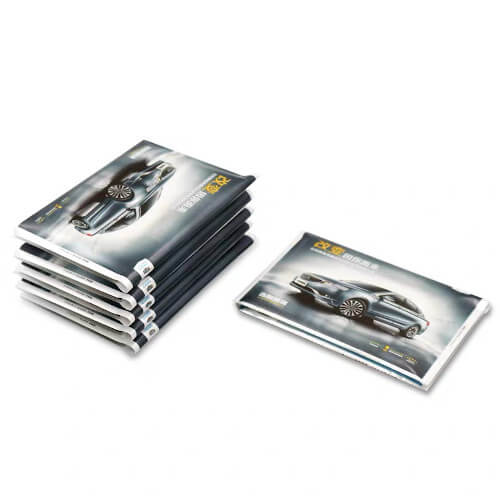
Tissue paper is a lightweight, soft, and thin paper that’s often used for wrapping, packaging, and decorative purposes. Its appeal comes from being both functional and aesthetic—it protects items while adding a touch of elegance.
From branded tissue paper in retail stores to colorful printed sheets for gifts, it’s a subtle yet powerful branding tool.
The Journey of Tissue Paper Manufacturing
The process of creating tissue paper custom isn’t as simple as pressing paper sheets. It involves multiple stages to achieve the right softness, strength, and texture.
1. Raw Material Selection
Tissue paper starts with high-quality pulp—either virgin wood pulp for softness or recycled fibers for sustainability. The choice depends on the desired feel and strength.
2. Pulping Process
The pulp is mixed with water and chemicals to achieve the right fiber composition. This step determines the smoothness and absorption level of the final printed tissue.
3. Sheet Formation
The pulp mixture is spread onto a wire mesh conveyor, allowing water to drain while fibers bond together. This creates a thin sheet that will later be pressed and dried.
4. Pressing and Drying
Rollers press out excess water, and large heated cylinders dry the sheets. This is where the tissue starts taking its familiar form.
5. Softening and Finishing
Softening agents are added to give tissue its signature touch. Depending on the use—packaging, decoration, or hygiene—different finishes are applied.
Techniques for Tissue Printing
Once you have a blank canvas of tissue paper, printing turns it into a branded or decorative masterpiece. Here are the main printing methods for print tissue paper.
1. Flexographic Printing
Flexographic printing uses flexible relief plates and quick-drying inks. It’s ideal for branded tissue paper because it works well for large runs and consistent quality.
2. Digital Printing
Digital printing offers flexibility for custom tissue paper in small batches. It allows intricate designs, multi-color patterns, and quick changes without expensive plates.
3. Screen Printing
Screen printing is great for bold, vibrant colors. It involves pushing ink through a mesh stencil, making it perfect for tissue paper custom projects that need strong visual impact.
4. Offset Printing
Offset printing provides sharp details and consistent color reproduction. It’s often used for printed tissue paper with complex designs and logos.
Why Brands Choose Custom Tissue Paper
Custom tissue paper isn’t just about aesthetics—it’s a marketing tool. Here’s why businesses love it:
- Brand Recognition: Every wrapped product becomes a mini advertisement.
- Customer Experience: Unwrapping becomes a memorable moment.
- Eco-Friendly Image: Many brands use recyclable printed tissue to show sustainability.
Design Tips for Printed Tissue Paper
Designing effective printed tissue is all about balancing beauty and branding.
1. Keep It Subtle
A soft watermark-style logo keeps the design elegant while reinforcing brand identity.
2. Play with Colors
Use brand colors for instant recognition, but ensure they work well on semi-transparent tissue.
3. Match the Season
Seasonal patterns—like snowflakes for winter or florals for spring—make packaging feel fresh and timely.
Sustainability in Tissue Paper Manufacturing
Eco-conscious consumers love brands that care for the planet. Many companies now offer custom tissue paper made from recycled fibers, soy-based inks, and compostable materials.
Cost Factors in Tissue Printing
The price of branded tissue paper depends on:
- Paper quality
- Printing method
- Number of colors
- Order quantity
Future Trends in Printed Tissue
Expect to see more eco-friendly printed tissue, metallic inks for luxury appeal, and interactive QR code designs that link to digital experiences.
Conclusion
From raw pulp to a beautifully printed tissue paper design, the journey is a mix of craftsmanship and creativity. Whether you need tissue paper custom for retail, gifting, or event packaging, the right printing technique can make all the difference.
For brands looking to stand out, investing in branded tissue paper is like putting your signature on every product. At Aquaholic Gifts, we believe packaging is more than just wrapping—it’s your brand’s handshake to the world.
FAQs
Q1: What is the difference between custom tissue paper and printed tissue paper?
Custom tissue paper is designed specifically for your brand, while printed tissue paper refers to any tissue with designs, patterns, or logos.
Q2: Which printing method is best for small orders?
Digital printing is ideal for small runs because it’s flexible, cost-effective, and doesn’t require expensive setup plates.
Q3: Can tissue paper be recycled after printing?
Yes! Most printed tissue paper is recyclable, especially when using eco-friendly inks and materials.
Q4: How can I make my tissue paper stand out?
Use brand colors, unique patterns, and seasonal designs to create memorable packaging.
Q5: What other custom corporate gift options are available besides tissue paper?
Alongside tissue paper, businesses can choose from corporate gifts like custom aprons, custom printed lanyards, custom portable fans, customised earbuds, custom bags, and more to enhance their branding.