Best Materials for Custom Socks for corporate promotions
A Guide on the Best Materials Used in Manufacturing High-Quality Custom Socks for Corporate Promotions
Corporate promotional products are constantly evolving, but one timeless and effective item is the custom sock. Companies looking to stand out at events, boost employee morale, or build brand identity often turn to custom socks or personalized socks. While design is crucial, the material used in the sock’s construction is equally important to ensure comfort, durability, and brand representation.
This guide dives into the most commonly used and highly recommended materials for custom printed socks, outlining their benefits, drawbacks, and suitability for corporate promotions.
Why Custom Socks Make Ideal Corporate Promotional Items
Before we get into the materials, it’s worth understanding why branded socks are such a popular choice for corporate marketing:
High usability – Everyone wears socks, making them a practical gift.
Fashionable and fun – Creative custom sock printing allows unique designs and messaging.
Universal sizing – Reduces inventory challenges and improves ease of distribution.
Subtle branding – Allows logos and brand colors without overwhelming the user.
Cost-effective – High-quality socks can be manufactured at competitive prices when ordered in bulk.
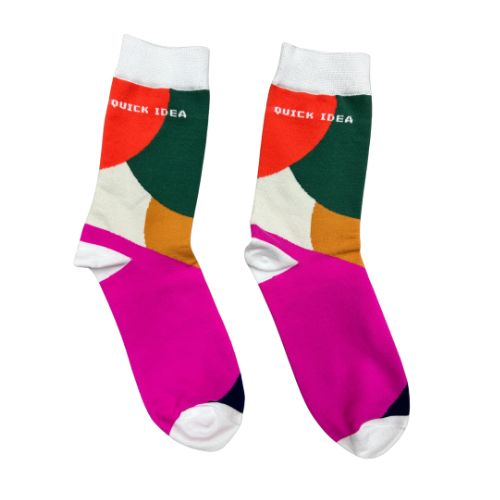
Whether for trade shows, employee welcome kits, or corporate swag bags, socks personalized with your company logo offer a perfect blend of form and function.
Key Material Options for Custom Sock Production
The fabric choice impacts not only the comfort and fit of the socks but also how well your logo or design appears after sock printing. Below are the top material choices:
1. Cotton
Cotton is one of the most popular materials for custom printed socks, thanks to its comfort, breathability, and versatility.
Pros:
Soft and skin-friendly
Good absorbency
Suitable for everyday wear
Works well with custom sock printing using screen or digital methods
Cons:
Can shrink after washing
May lose elasticity over time
Less durable than synthetic blends
Cotton socks are ideal for employee gifts or casual corporate promotions where comfort is key.
2. Combed Cotton
A premium version of regular cotton, combed cotton is softer and stronger. It undergoes a process to remove impurities and shorter fibers, leaving a smoother yarn.
Pros:
Extremely soft to the touch
Enhanced durability and strength
Smooth texture supports crisp sock printing
Ideal for high-end personalized socks or executive gifts
If you’re targeting high-profile clients or stakeholders, combed cotton adds a luxurious touch to your branded socks.
3. Polyester
Polyester is a synthetic fiber that offers excellent shape retention and vivid color printing, making it ideal for custom printed socks with complex designs.
Pros:
Durable and fade-resistant
Excellent for custom sock printing using sublimation
Retains shape and elasticity well
Cost-effective for large runs
Cons:
Less breathable than cotton
May not feel as soft on the skin
Perfect for vibrant, full-color promotional designs and mass distribution.
4. Nylon
Often used as a blend with other materials, nylon enhances the durability and elasticity of socks.
Pros:
Adds strength and flexibility
Quick-drying and moisture-wicking
Improves sock fit and feel
Cons:
Not ideal as a standalone material
Less comfortable when used in high percentages
Nylon blends are suitable for athletic-style custom socks with logo, especially for teams or active events.
5. Spandex (or Elastane)
Though not used as a primary material, spandex is essential in sock production for stretch and fit.
Pros:
Enhances elasticity
Helps socks retain shape
Prevents sagging over time
Cons:
Can lose elasticity after long use if not blended well
Most spandex for improved comfort and durability. It’s especially valuable in personalized socks that need to fit a variety of foot sizes without losing form.
Best Material Blends for Corporate Custom Socks
In many cases, the best socks are made from blended materials that combine the strengths of multiple fibers. Here are some of the most common and effective blends used in corporate custom sock printing:
Cotton + Polyester + Spandex
Use case: General-purpose branded socks for giveaways or staff apparel
Benefits: Comfortable, breathable, stretchable, and cost-effective
Print compatibility: Works well with both embroidery and sublimation
Combed Cotton + Nylon + Spandex
Use case: Premium custom socks with logo for executives or high-end clients
Benefits: Luxurious feel, excellent durability, perfect fit
Print compatibility: Supports detailed embroidery and screen printing
Polyester + Nylon + Spandex
Use case: Sports-themed or energetic custom printed socks for corporate fitness programs or events
Benefits: High durability, excellent stretch, vibrant color printing
Print compatibility: Best with sublimation printing
These blends provide the right balance between comfort, longevity, and brand visibility.
Printing Methods for Custom Socks Based on Material
Different materials pair better with different custom sock printing methods. Here’s a quick guide:
Sublimation Printing
Best for: Polyester-based socks
Design output: Bright, all-over prints with full color
Use case: Creative or detailed printed socks
Embroidery
Best for: Cotton and cotton blends
Design output: Classic, professional finish for logos and initials
Use case: Executive gifts, team uniforms
Screen Printing
Best for: Combed cotton or cotton-polyester blends
Design output: Sharp, bold designs with limited colors
Use case: Bulk custom printed socks for events
Choosing the right method ensures your branding appears clean, long-lasting, and visually appealing.
Tips for Choosing the Right Sock Material for Your Corporate Goals
To maximize the value of your personalized socks or custom socks with logo, align the material choice with your promotional goals.
1. Consider the Wearer
Employees: Opt for breathable cotton or blended socks for daily wear
Clients/VIPs: Choose combed cotton or luxury blends for a premium feel
Active Participants: Use performance blends like polyester + spandex
2. Think About the Event
Trade Shows: Go for affordable polyester blends that allow bright, all-over sock printing
Company Retreats: Midweight cotton blends work well for comfort and casual wear
Brand Launches: High-quality combed cotton or sublimation-ready polyester ensures brand impact
3. Focus on Print and Brand Visibility
Use colors that complement your branding
Place your logo where it’s easily visible, such as on the cuff or side
For subtle branding, go with tone-on-tone embroidery
Where to Source High-Quality Custom Socks
When choosing a supplier for custom sock printing, look for:
Material transparency – Ensure you know the exact blend and GSM
Customization options – Ability to print, embroider, or knit logos and patterns
Sampling service – To test comfort, print quality, and durability before bulk orders
Lead times – Especially important for event-based promotions
Minimum order quantity (MOQ) – Align with your campaign scale and budget
Many custom socks Singapore suppliers now offer eco-conscious options, such as organic cotton or recycled polyester, which can add an environmentally friendly angle to your corporate gifting.
Conclusion: Quality Materials Make the Difference
No matter how attractive your design or branding is, the material of your custom printed socks is what ultimately defines comfort, longevity, and user satisfaction. By carefully selecting the right blend—whether it’s soft combed cotton, durable polyester, or stretchy spandex—you ensure that your personalized socks don’t just get worn once, but become a part of someone’s regular wardrobe.
That kind of utility and brand reinforcement is priceless in corporate promotions. So the next time you consider socks personalized with your logo, remember: great branding starts with great materials.