Digital Print Scarves Singapore — Complete Guide to Direct-to-Fabric Printing on Silk, Cotton & Modal
Digital Print Scarves Singapore — The Complete Guide to Direct-to-Fabric Printing on Silk, Cotton & Modal
By Aquaholic Gifts Editorial Team · Printing Technology Guide · 9 min read
When most buyers think of custom scarf printing in Singapore, sublimation on polyester comes to mind first. But a significant share of corporate scarf briefs — particularly those specifying silk, cotton, or modal — require a different technology entirely: direct-to-fabric digital printing. Understanding the difference is not just a technical detail; it directly affects colour accuracy, fabric choice, hand feel, and the final cost of your order.
This guide covers everything procurement managers and corporate gift buyers need to know about digital print scarves in Singapore — how the process works, when to choose it over sublimation, what designs it handles best, and how to prepare your artwork file correctly.
Order from Aquaholic Gifts
Order custom printed scarves
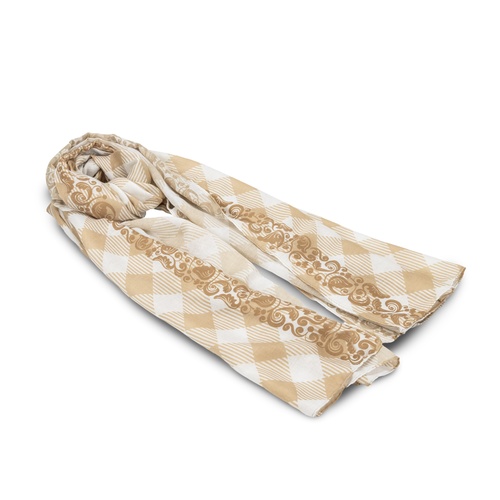
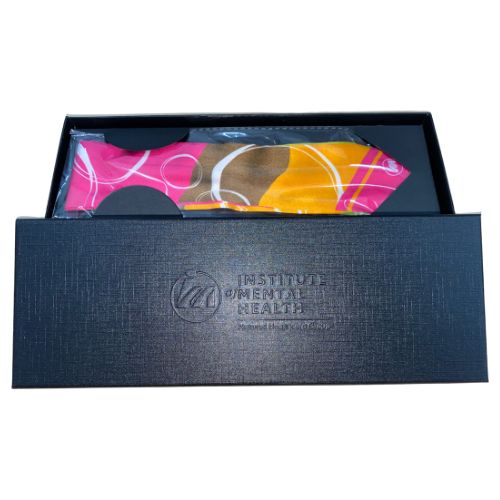
Full-colour and silk scarves printed in your colours for uniforms, events and gifts. Custom production 21–45 days · express 7 working days on selected designs.

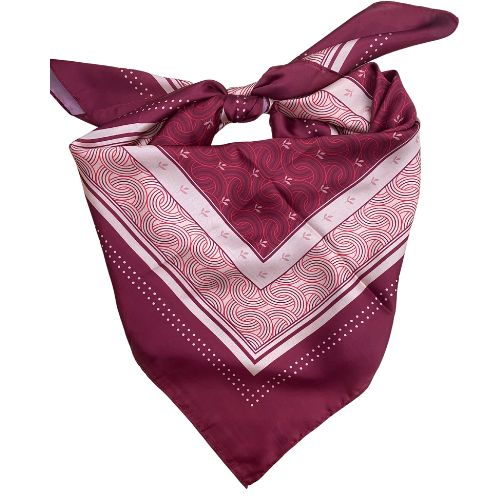
For bulk and corporate orders. Minimum order quantity and the full price list are on the scarf range page.
What Is Direct-to-Fabric Digital Printing?
Direct-to-fabric digital printing (sometimes called digital textile printing or reactive inkjet printing) uses specialised industrial inkjet printers to apply water-based dyes or pigment inks directly onto fabric, without any intermediate transfer step. The ink bonds with the fabric’s natural or synthetic fibres at the molecular level, producing colours that are vibrant, wash-resistant, and accurate to the original artwork file.
The key distinction from sublimation: Sublimation uses heat to turn dye into gas, which then bonds with polyester fibres. It cannot work on natural fabrics. Digital direct printing applies liquid ink directly to the fabric surface — making it compatible with silk, cotton, modal, linen, and blended fabrics that sublimation cannot touch.
If your brief specifies a silk shawl, a cotton bandana, or a modal scarf, digital printing is the correct technology for the job.
How the Digital Printing Process Works — Step by Step
Which Fabrics Work Best with Digital Printing?
| Fabric | Digital Print Result | Best For |
|---|---|---|
| Silk (habotai, satin, chiffon) | Exceptionally vibrant — silk’s lustre amplifies colour depth | Premium executive gifts, luxury shawls, VIP events |
| Cotton (voile, muslin, canvas) | Solid, natural tones — less saturated than silk but faithful to artwork | Outdoor events, F&B uniforms, eco-conscious gifting, bandanas |
| Modal | Rich, smooth colour — excellent hand feel post-print | Premium shawls, daily-wear scarves, staff gifts |
| Linen | Textured finish — colour appears slightly muted due to fibre texture | Artisanal or heritage-look gifting |
| Polyester (non-sublimation) | Works but sublimation produces superior results on polyester | Use sublimation instead for polyester briefs |
Colour Accuracy — How Digital Printing Handles Pantone Matching
For corporate orders where brand colour accuracy is critical, digital textile printing offers a significant advantage: it can be calibrated against Pantone references with a high degree of precision. However, there are important nuances Singapore buyers should understand.
Digital Print vs Sublimation — When to Choose Which
| Consideration | Digital Print | Sublimation |
|---|---|---|
| Compatible fabrics | Silk, cotton, modal, linen, blends | Polyester only (95%+ content) |
| Colour range | Wide gamut — unlimited colours, photographic detail | Wide gamut on white/light polyester — very vibrant |
| Wash durability | Good — 20–30 washes before visible fading (reactive dye); 40+ washes (pigment) | Excellent — ink is embedded in fibre; virtually permanent |
| MOQ in Singapore | From 30 pieces | From 100 pieces |
| Unit cost (same qty) | Moderate to premium (depends on fabric cost) | Moderate — polyester is cost-efficient |
| Premium feel | Higher — natural fibres feel luxury against skin | Good — polyester satin can feel premium but not as soft |
| Best use case | Silk executive gifts, CNY gifting, natural-fabric briefs | Event giveaways, staff uniforms, mass orders |
For a complete guide to sublimation printing, see our sublimation scarf printing guide. For fabric selection guidance, see our scarf fabric comparison.
What Designs Work Best with Digital Fabric Printing?
Digital textile printing handles virtually any artwork style, but certain design types benefit most from the technology’s strengths:
Full-bleed photographic or illustrated patterns — Botanical prints, heritage motifs, Peranakan tile patterns, watercolour-style artwork. Digital printing reproduces every tonal nuance without the colour-count limits of screen printing.
Complex gradient backgrounds — Ombré effects, sky gradients, soft colour transitions. Sublimation also handles gradients well on polyester; digital handles them on natural fabrics.
Fine-detail logos on natural fabric backgrounds — A corporate logo at small scale on a silk square, where the logo must read cleanly against a coloured or patterned field.
Heritage and cultural motifs — Batik-inspired line work, Peranakan florals, Chinese brush-stroke patterns — the 600+ DPI resolution captures the subtlety of traditional art styles.
Customised variable designs — Digital printing supports variable data — each scarf in a batch can carry a different name, number, or QR code without additional setup cost per variation.
Artwork File Requirements for Digital Scarf Printing
Preparing your artwork correctly is the single most important step to ensure your digital print scarves match your expectations. Here is what Singapore suppliers require:
| Requirement | Specification |
|---|---|
| File format | TIFF or PSD at actual print size; PDF (press-quality); AI or EPS for vector artwork |
| Resolution | Minimum 150 DPI at actual print size; 300 DPI preferred for fine detail |
| Colour mode | RGB (not CMYK) — digital fabric printers render from RGB profiles; include Pantone references separately |
| Bleed and safe zone | 5mm bleed on all edges; keep critical elements 10mm from finished edge |
| Background fill | Extend background pattern to bleed area — do not leave white borders unless white is intentional |
| Pantone references | Provide Pantone TCX (textile) codes, not Pantone Coated — textile Pantones account for fabric absorption |
Production Timeline for Digital Print Scarf Orders in Singapore
| Phase | Timeline |
| Artwork review and colour profiling | 2–4 business days |
| Strike-off / swatch sample | 5–7 business days |
| Bulk production (30–500 pcs) | 10–18 business days |
| Local delivery (Singapore) | 1–2 business days |
Plan for a 5–7 week lead time from artwork approval to delivery for orders requiring swatch approval. Urgent production without swatch can reduce lead time to 3–4 weeks at additional cost. For upcoming festive or event deadlines, see our bulk ordering and MOQ guide for planning benchmarks.
Frequently Asked Questions — Digital Print Scarves Singapore
Can I print on dark-coloured fabric backgrounds?
Yes, with caveats. Reactive dye digital printing works best on white or light-coloured fabric. For dark base fabrics, pigment-based digital printing or discharge printing techniques are used, though the colour range is more limited and costs are higher. Most corporate scarf orders use light or white base fabric with the colour applied through printing.
How does digital print washability compare to sublimation?
Sublimation is more wash-durable because the dye is permanently embedded inside polyester fibres. Digital printing on natural fabrics is good for 20–40 washes with proper care (cold gentle wash, no bleach). For daily-wear uniform scarves that are laundered frequently, discuss wash-fastness requirements with your supplier. See our custom scarf care guide for full washing instructions.
What is the minimum order for digital print scarves?
Most Singapore suppliers offer digital print scarves from 30 pieces. This lower MOQ (compared to screen printing’s 100–200 pieces) makes digital printing suitable for VIP gifts, small event runs, and sample orders. For full MOQ and pricing tier details, see our MOQ and bulk ordering guide.
Can I get both digital print and sublimation versions of the same design?
Yes — many buyers order sublimation polyester scarves for mass event giveaways and digital-print silk scarves for VIP gifts within the same campaign. The design file is shared between both print runs, but the colour profiles are adjusted for each fabric type to ensure visual consistency.
Ordering Digital Print Scarves in Singapore?
Whether your brief calls for silk executive gifts, cotton bandanas, or modal shawls, direct-to-fabric digital printing delivers the colour accuracy and natural-fabric quality your brand deserves. Explore our full range of custom scarves or contact us to discuss your specific fabric and design requirements.