






Aprons aren’t just for the kitchen anymore. From cafes to craft studios, customized aprons have become a powerful branding tool for businesses. Whether you’re building a brand or gearing up your staff, choosing the right apron printing method can make or break your visual identity.
But with so many methods out there, how do you decide? Don’t worry—I’ve broken it down for you. Let’s dive into the top 5 apron printing techniques and help you find the perfect fit for your business.
Why Apron Printing Matters for Your Brand
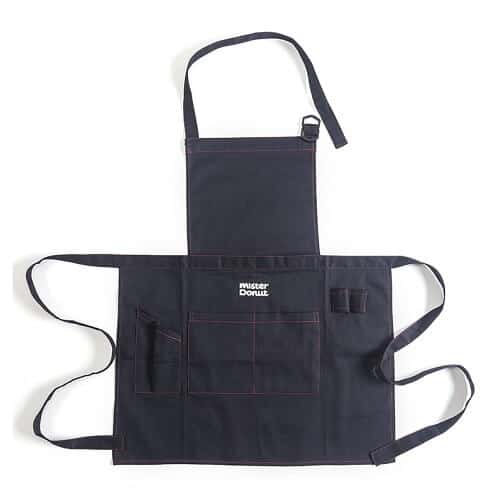
Branded aprons are like walking billboards. They add professionalism, boost team morale, and make your brand unforgettable. Whether it’s for staff uniforms, promotional giveaways, or retail sales, printed aprons offer visibility and consistency in your brand message.
1. Screen Printing – The Classic Workhorse
What Is Screen Printing?
Screen printing involves pushing ink through a mesh stencil (screen) onto the fabric. It’s one of the oldest, most trusted printing techniques.
Best For: Bulk Orders with Simple Designs
This method is ideal if you’re printing large quantities of aprons with minimal colors—think bold logos and clean typography.
Pros of Screen Printing
- Super durable and long-lasting
- Cost-effective for large volumes
- Vibrant, opaque colors
Cons of Screen Printing
- Not ideal for highly detailed or multi-colored designs
- Setup can be expensive for small orders
2. Heat Transfer Printing – The Flexible Option
What Is Heat Transfer Printing?
This process uses heat and pressure to transfer a design from a special paper onto the apron fabric. There are several types, including vinyl and digital transfers.
Best For: Custom or Small Orders
Great if you’re offering personalized aprons or printing limited runs for events or giveaways.
Pros of Heat Transfer
- High-quality, detailed prints
- Works well on both light and dark fabrics
- Fast turnaround
Cons of Heat Transfer
- Not as durable as screen printing (may crack or peel over time)
- Less economical for high-volume orders
3. Sublimation Printing – The Photo-Quality Finish
What Is Sublimation Printing?
Sublimation uses heat to turn dye into gas, which penetrates the fabric fibers and bonds permanently. The result? A design that won’t fade, crack, or peel.
Best For: Full-Color or Photographic Designs
This is the go-to for vibrant, all-over prints—especially on polyester or poly-blend aprons.
Pros of Sublimation
- Ultra-soft, no-feel finish
- Long-lasting and fade-resistant
- Perfect for photo-realistic graphics
Cons of Sublimation
- Only works on light-colored polyester fabrics
- Not suitable for 100% cotton aprons
4. Embroidery – The Premium Touch
What Is Embroidery?
Rather than printing, embroidery involves stitching your design directly onto the apron using threads. It screams “premium” and adds a tactile, 3D effect.
Best For: Upscale Branding and Gifting
If you’re going for a luxurious look or need corporate uniforms that impress, embroidery is your best friend.
Pros of Embroidery
- Extremely durable and wash-resistant
- Adds texture and elegance
- Great for logos and monograms
Cons of Embroidery
- Can be costly for complex or large designs
- Limited color blending and detail
5. Direct-to-Garment (DTG) Printing – The Digital Marvel
What Is DTG Printing?
DTG uses inkjet technology to spray water-based ink directly onto the fabric. Think of it like printing on paper—just on an apron.
Best For: High-Detail, Low-Quantity Jobs
Perfect if you need detailed prints with lots of colors but don’t want to order in bulk.
Pros of DTG
- Full-color printing with amazing detail
- No setup fees
- Eco-friendly water-based inks
Cons of DTG
- Slower for bulk production
- Works best on 100% cotton aprons
How to Choose the Right Apron Printing Method
Consider Your Quantity and Budget
If you’re printing hundreds of aprons, screen printing or sublimation might offer better value. For one-off gifts or events, heat transfer or DTG could be more cost-effective.
Think About Fabric and Design Complexity
Not all methods suit all materials. Sublimation needs polyester; embroidery works best on thicker fabrics. DTG and heat transfer shine with detailed images.
Match the Printing Method with the Brand Image
Luxury café? Go with embroidery. Youthful pop-up store? Try DTG. Event-based business? Heat transfer or screen printing might be your jam.
Common Mistakes to Avoid in Apron Printing
Skipping Fabric Compatibility Checks
Printing on the wrong fabric can ruin the outcome. Always double-check if your chosen method fits the apron material.
Overlooking Color Accuracy
Colors can look different depending on the printing process. Get a sample if possible, especially for logos.
Not Planning for Wear and Tear
If your aprons are for daily use, choose a durable method like screen printing or embroidery.
Eco-Friendly Apron Printing Options
Looking for sustainable options? DTG with water-based inks or heat transfers using eco-solvent ink are better for the environment. Plus, you can source organic cotton aprons to complete the green package.
Personalized Aprons for Events & Promotions
Customized aprons aren’t just for employees. They’re fantastic as giveaways, event merchandise, or even part of a product bundle. Heat transfer and DTG work wonders here.
Boosting Brand Identity Through Aprons
Imagine a team in matching branded aprons—it screams professionalism. More than that, it builds trust and loyalty. The printing method you choose speaks volumes about your attention to detail and commitment to quality.
Custom Printing vs. Pre-Made Designs
You can always grab pre-designed aprons, but custom-printed ones tell your unique story. Whether it’s your logo, tagline, or a quirky message, printed aprons give your brand a voice (and a fashionable one at that!).
Conclusion: Ready to Print? Let’s Wrap It Up
So, which apron printing method is right for your business? It all boils down to your goals, budget, and aesthetic. Whether it’s the durability of screen printing, the luxury of embroidery, or the versatility of DTG, there’s a method that’ll suit your brand perfectly.
Need help with your next corporate gift or promotional item? Aquaholic Gifts offers expert guidance and top-tier solutions to bring your vision to life. From custom aprons to branded corporate items, we’ve got your back (and your front)!
FAQs
What is the most durable apron printing method?
Screen printing and embroidery are the most durable options. Embroidery offers excellent longevity, especially for aprons washed frequently.
Can I print multi-colored designs on aprons?
Yes! DTG and sublimation are perfect for multi-colored and photo-realistic designs. Just be sure to choose compatible fabrics.
Which apron printing method is budget-friendly?
For bulk orders, screen printing is the most cost-effective. For short runs or one-off gifts, heat transfer is more affordable.
Do apron printing methods work on all fabrics?
Not all methods suit every fabric. Sublimation only works on polyester, while DTG prefers cotton. Always match the method with the material.
Can I add my brand logo on other items like corporate gifts or wearables?
Absolutely! You can brand everything from corporate gifts like an umbrella corporate gift, custom dry bag, or branded card holder to wearables like a corporate polo tee or customised headphones. It’s all about extending your brand experience—and Aquaholic Gifts can help make that happen.
